At the age of 90, you might expect Toshisuke Kanazawa to want to put his feet up and relax. However, he spends around two hours a day, six days a week, training at his gym in Hiroshima.
Amazingly, the Guardian reveals that he recently collected his 19th national bodybuilding title. Kanazawa won his first Mr Japan title at 24 and, after retiring from competitive bodybuilding in his 30s, returned to the sport at 50.
More than four decades later, he’s still competing.
While you likely aren’t planning to spend your 90th birthday preparing to lift weights competitively, his story shows something interesting about ageing in Japan.
The Guardian reports that, in 2022 to 2024, healthy life expectancy at birth in the UK was just 60.7 years for men and 60.9 for women.
Meanwhile, overall life expectancy stood at 79.1 and 83 years, respectively.
In Japan, however, almost 30% of its population is now aged over 64, and the country has more than 100,000 centenarians.
Alongside Singapore, it also leads global rankings for both overall and healthy life expectancy. Japan’s life expectancy plan aims to increase the number of years its citizens spend in good health to at least 75 by 2040.
Of course, genetics, healthcare, and your environment can all affect how long you live. Still, some habits in Japan could inspire you if you’d like to improve your chances of enjoying a long, healthy retirement.
Here are three worth trying.
1. Keep moving and adapt the way you exercise as you get older
Kanazawa has been exercising for most of his life. He was a talented swimmer as a teenager and turned to bodybuilding after an injury ended his hopes of reaching the Olympics.
Although he still trains six days a week, his routine at 90 looks very different from the one he followed in his 20s.
Indeed, he no longer performs squats or bench presses and now sticks to weight machines. He also rests for longer between sets since recovery takes more time than it once did.
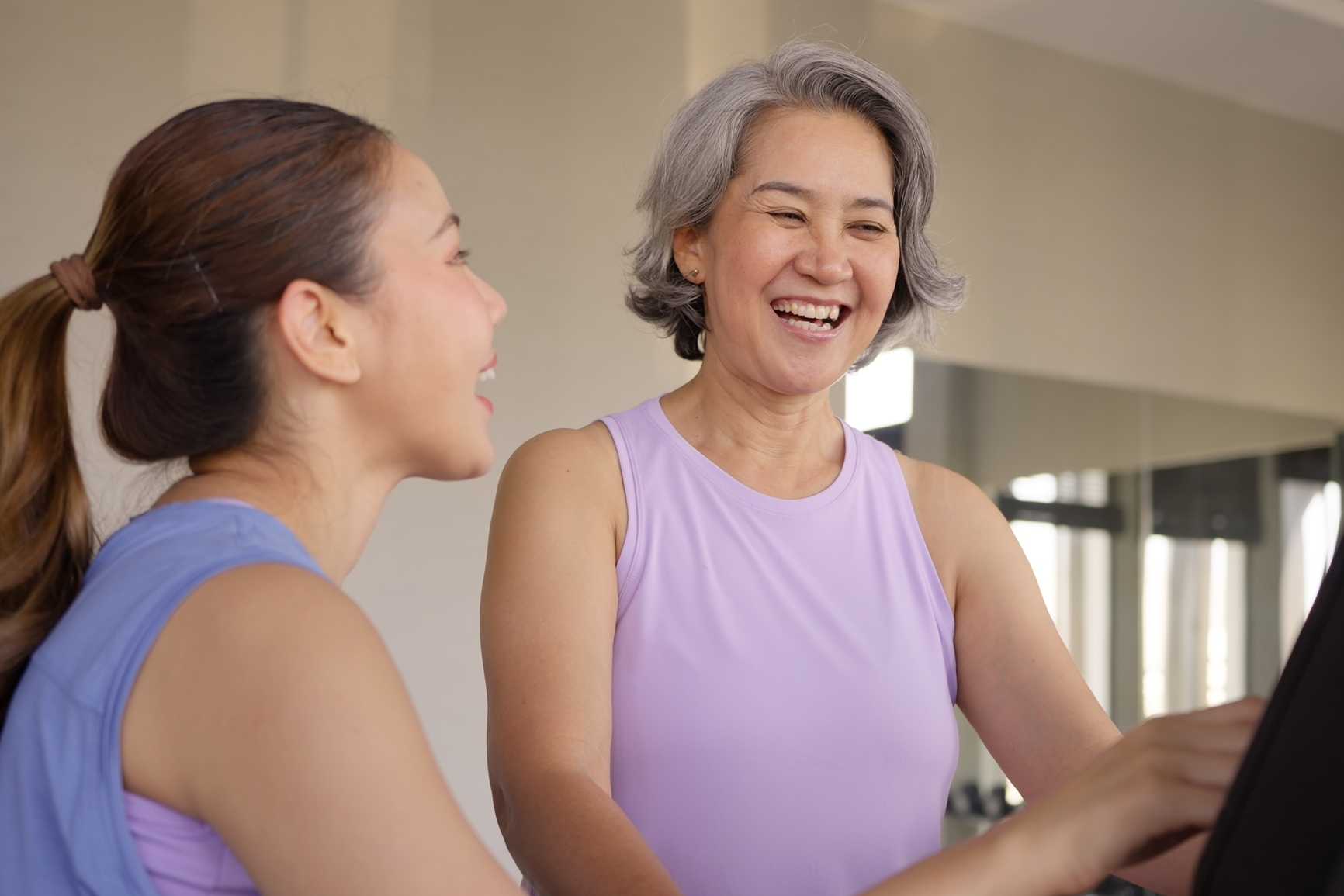
Staying active in older age doesn’t mean you have to run marathons or exercise exactly as you did 30 years ago.
Japan’s guidance for older adults encourages people to move more than they currently do, avoid spending too much time sitting, and include walking alongside exercises that improve strength and balance.
As such, it’s worth finding movement that works for you. This might include:
- Swimming
- Cycling
- Gardening
- Walking to the shops
- Joining an exercise class
- Spending some time strength training.
And, as the years progress, there’s nothing wrong with changing your routine slightly. The idea is to do enough now to ensure your future self can continue doing the activities you enjoy.
2. Borrow some ideas from the Japanese dinner table
Kanazawa also credits “clean living” with helping him stay fit and healthy. He’s never smoked or drunk alcohol, and his usual meals now include relatively simple foods, such as:
- Brown rice
- Natto (fermented soybeans)
- Miso soup
- Eggs.
Of course, this doesn’t mean you have to rush out and fill your fridge with natto, but you can still borrow some ideas from his diet.
It may be prudent to maintain a balanced lifestyle by eating enough fruit and vegetables and reducing your salt intake. This could help you maintain your health and independence for longer.
Traditional Japanese-style meals can also include a variety of foods served in modest portions, rather than large meals built around one dish.
In Western terms, this might mean:
- Adding an extra serving of vegetables to your evening meal
- Swapping processed foods for simpler ingredients
- Experimenting with beans, tofu, fish, and other sources of protein
- Paying attention to portion sizes
- Cooking from scratch when you have the time.
Some of the healthiest changes could come from finding a balanced way of eating that you genuinely enjoy enough to stick with.
3. Stay connected to other people and find reasons to get up in the morning
After retiring from competition in his 30s, Kanazawa returned at 50 partly because his wife was living with chronic illness and he wanted to show her that “anything was possible”.
Today, he still runs his gym, trains with others, and sets new goals, intending to remain a bodybuilder for the rest of his life.
Interestingly, a Japanese study reported on the National Library of Medicine found that there was an association between healthier ageing and taking part in neighbourhood activities, hobbies, and volunteering.
Those involved in a greater variety of community activities were more likely to age healthily over the 11-year study period.
You might find it wise to join a walking group, volunteer for a local charity, or learn a completely new skill.
You could even continue your career in some capacity after retirement if you genuinely enjoy what you do.
This isn’t to say you need to find an entirely new purpose in life, but staying engaged with your surroundings and giving yourself things to look forward to could improve your general outlook and bolster your cognitive health.